


Attack Surface Reduction Without Compromise
OpSecPulse helps organisations reduce their attack surface across infrastructure and web applications.
We focus on identifying exposed services, insecure configurations, and control gaps that increase the likelihood of compromise. Our work is practical and evidence-driven, prioritising actions that materially reduce exposure without adding unnecessary complexity or slowing delivery.
Common Exposure Challenges We Address
• Internet-facing services and unmanaged network exposure
• Insecure baseline system and application configurations
• Weak access controls and credential exposure
• Unpatched systems and vulnerable web applications
• Limited visibility into whether baseline security controls are effective
Our assessments align to five baseline attack surface reduction domains commonly used across security frameworks, without reliance on certification status.
Practical Security for Growing Teams
Modern teams operate in fast-moving, cloud-enabled environments where exposure changes continuously.
OpSecPulse, supports teams by validating baseline security controls, assessing real attack surface, and producing clear reporting that links findings to actionable remediation.
The result is reduced exposure, improved visibility, and defensible security decisions, without over-engineering or certification dependency.

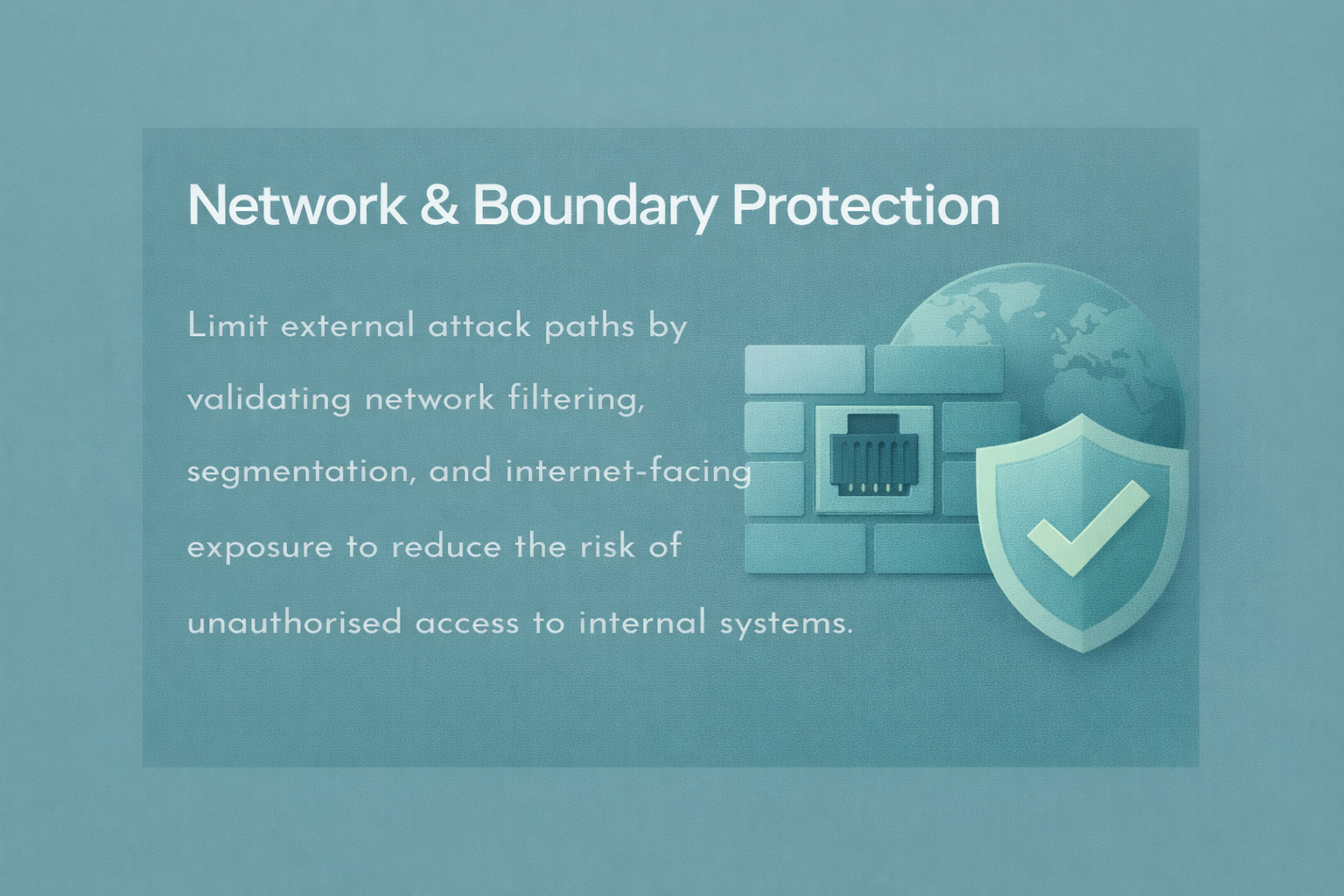
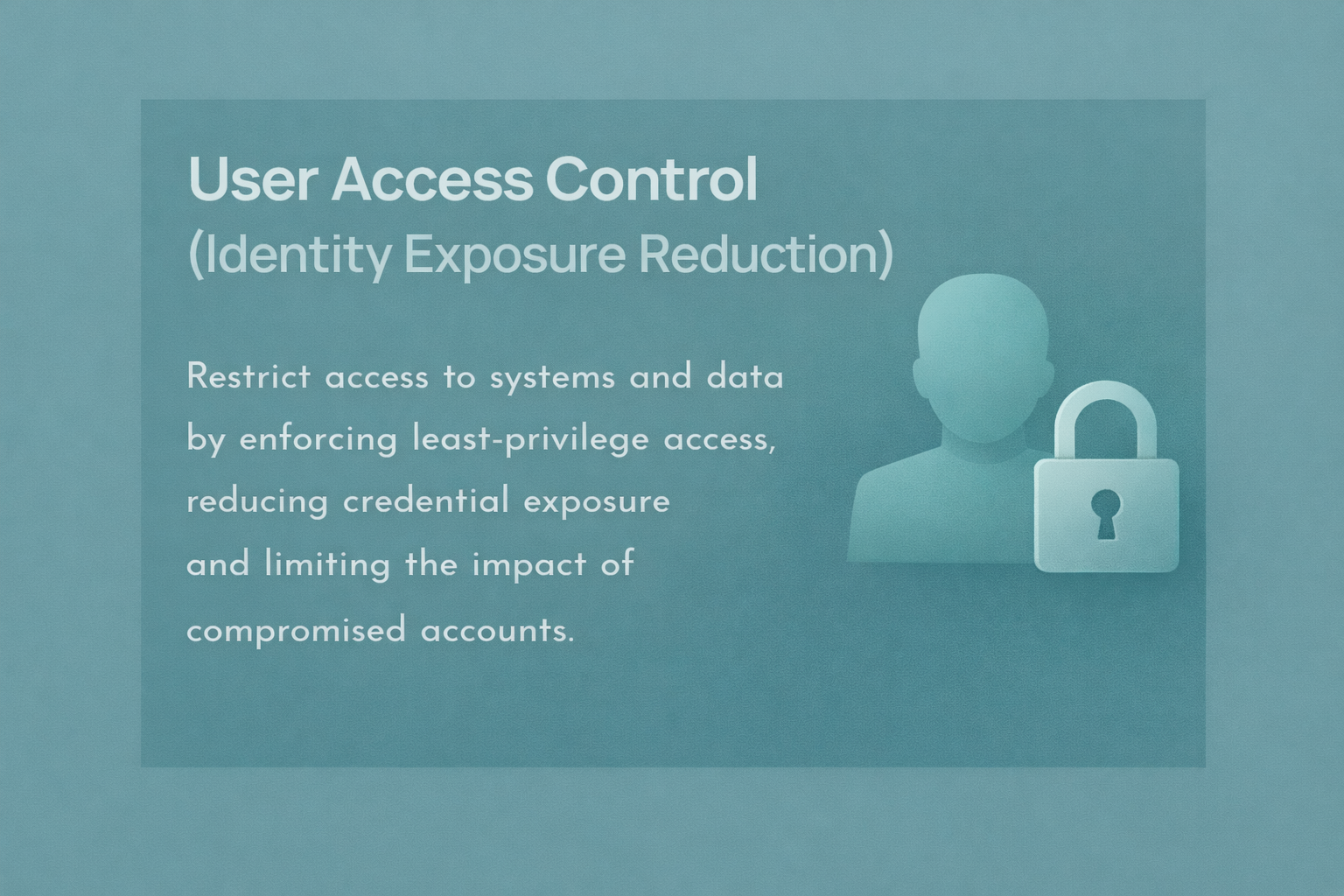
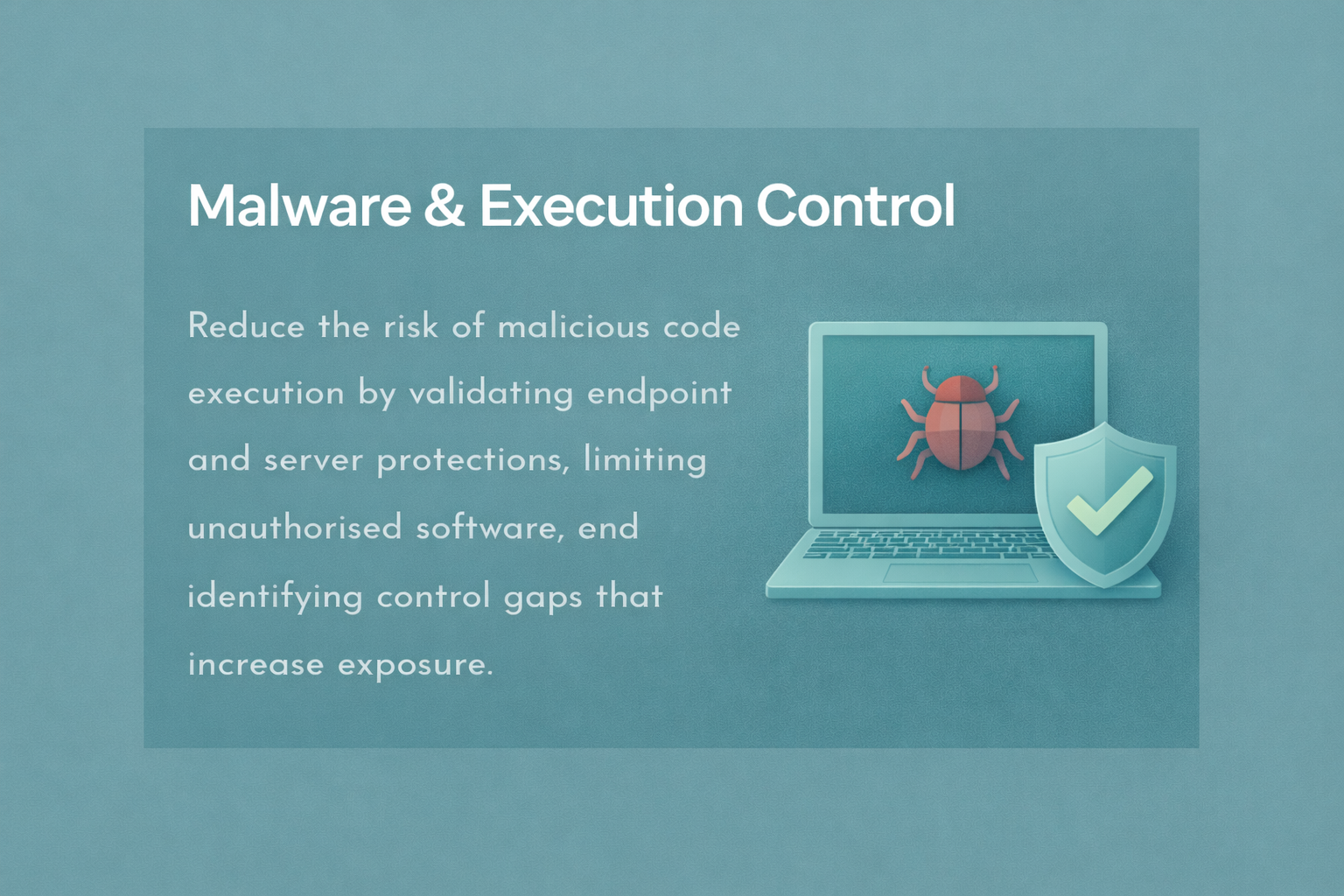
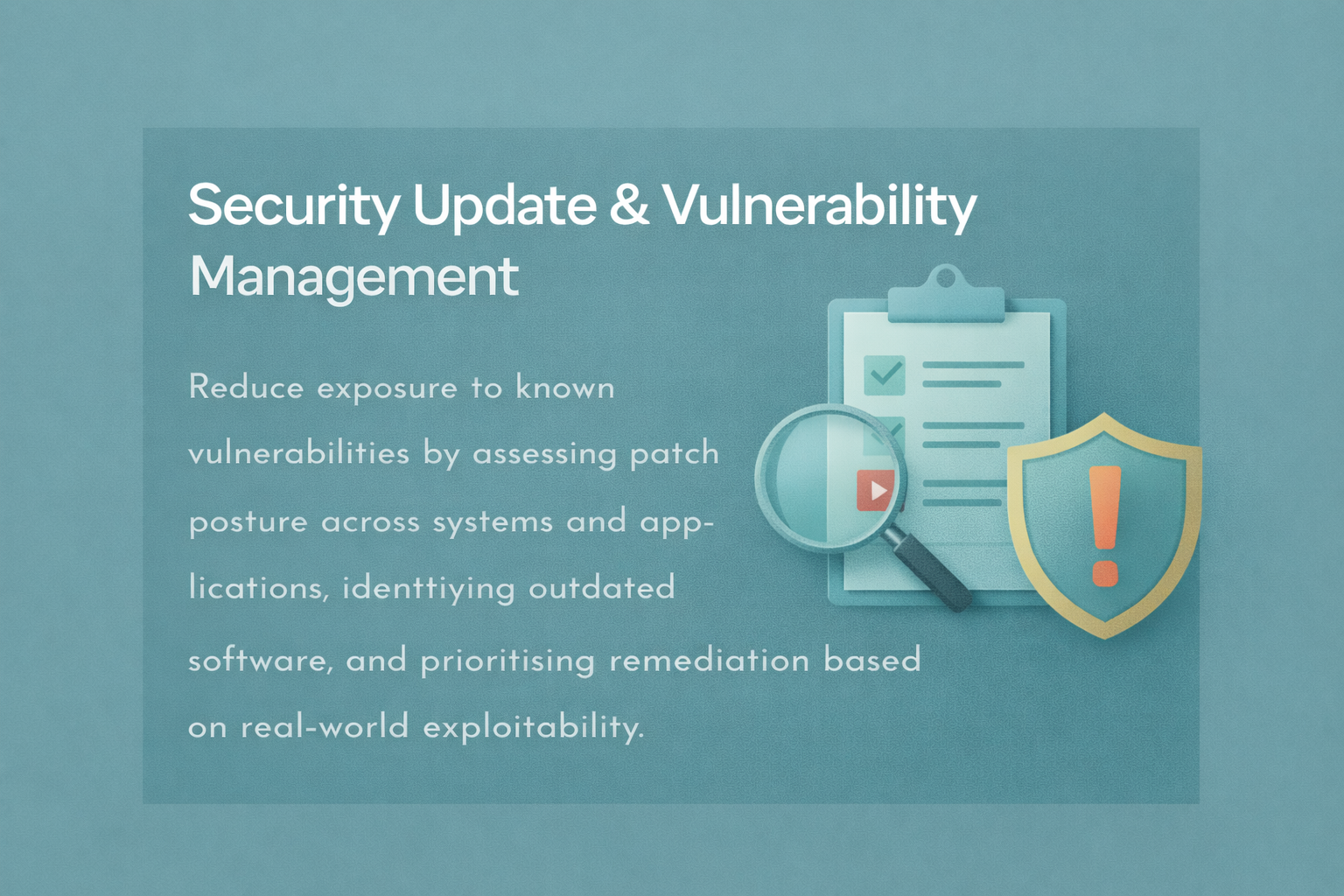

OpSecPulse reduces attack surface across five baseline security domains through continuous visibility, risk-based remediation, and evidence-driven reporting.
Attack Surface Reduction Control Mapping
Ready to reduce your attack surface?

Discover
We identify your full attack surface using authenticated scans, passive discovery, cloud integrations, and asset mapping. This delivers continuous visibility across known systems and previously unseen assets.
Assess
Each asset is evaluated against a broad vulnerability and configuration knowledge base, helping you clearly understand weaknesses, misconfigurations, and real exposure across your environment.
Prioritize
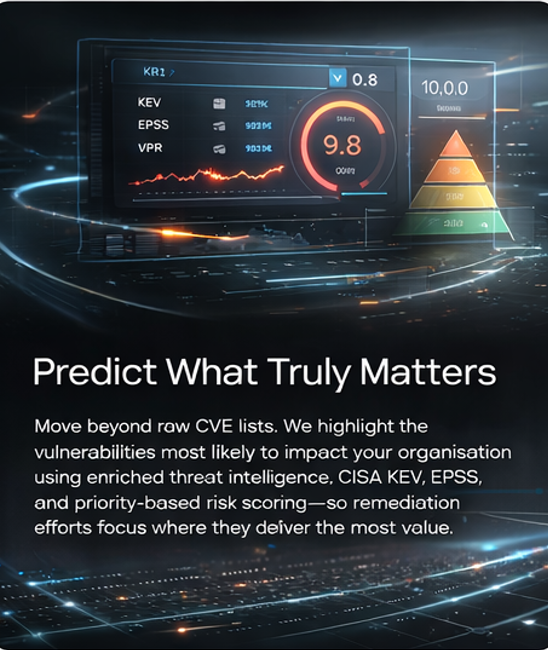
We correlate vulnerability data with threat intelligence and contextual risk factors to produce clear, actionable priorities so teams know exactly what to fix first and why.
🟨 Open VSX Supply Chain Attack (GlassWorm)
Category: Supply Chain / Developer Risk
Source: The Hacker News
Impact: Developer environments, CI/CD
Attackers compromised developer accounts to distribute malicious VS Code extensions via Open VSX.
A classic supply-chain compromise, showing that developer tooling is a high-value target.
🔵 Record-Breaking 31.4 Tbps DDoS Attack
Category: DDoS / Botnets
Source: ZDNet
Impact: Availability, infrastructure resilience
The Aisuru botnet launched the largest recorded DDoS attack to date, peaking at 31.4 Tbps.
This illustrates how insecure consumer and IoT devices are routinely weaponised at scale.
🟥 Microsoft: Emergency Windows Update Disruption
Category: Vulnerability / Patch Risk
Source: BleepingComputer
Impact: Endpoint stability, patch governance
Microsoft confirmed a January update issue that forced emergency shutdown guidance for affected Windows systems.
This highlights the operational risk of patching and the importance of risk-based vulnerability prioritisation, not blind updates.
🔴 One-Click RCE via OpenClaw (CVE-2026-25253)
Category: Exploited Vulnerability
Frameworks: CVSS 8.8 | CISA KEV | EPSS
Source: The Hacker News
A one-click remote code execution vulnerability allows attackers to compromise systems via crafted links.
This CVE is actively exploited, reinforcing why KEV-driven vulnerability management matters.
🟧 Panera Bread Data Breach — 5.1M Accounts
Category: Data Breach / Exposure
Source: Security Affairs / HIBP
Impact: Customer data, compliance, reputational risk
A confirmed breach affecting 5.1 million accounts, exposing personal data including names and contact information.
Incidents like this reinforce the need for baseline security controls and continuous exposure monitoring.
🟪 Android RAT Hosted on Hugging Face
 Category: Malware / Abuse of AI Platforms
 Source: Infosecurity Magazine
 Impact: Mobile security, supply trust
Threat actors leveraged Hugging Face to host malicious Android RAT payloads, abusing trusted AI infrastructure.
This demonstrates how legitimate platforms are increasingly weaponised.